Phone restrictions in different countries…
UK
Statistics on mobile phone use in schools in the UK
It’s increasingly understood that mobile phones are distracting and disruptive for teachers and students in schools. According to the Department for Education (UK) 97% of 12-year-olds now own a mobile phone with Ofcom reporting in March 2023 that mobile phone usage and ownership rose to 20% of 4 to 8-year-olds, rising to 50% for 9-year-olds and 60-80% for 10 to11-year-olds. 29% of secondary school pupils reported mobile phones being used without permission in most of their lessons.
UK Policy on phones in schools
In February 2024, the UK government required schools to develop and implement a policy to create a mobile phone-free environment in order to tackle the problem. This advice came with guidance but no specific or prescribed method to deliver a learning environment that is free from mobile phones and the disruption and poor behaviour that has been causing issues for schools and learning.
The new guidance encourages schools to create a mobile phone-free environment during lessons, in between lessons and at break and lunchtime.
Each school will have to decide what is most appropriate and ensure individuals with medical conditions are not disadvantaged.
USA
What are the rules on phones in schools in the USA
During 2023 and 2024 a number of States have introduced restrictions on the use of cell phones in schools. Indiana and Florida came first and California and New York are also taking steps to reduce cell phone use. In July 2024 Pennsylvania Senate passed a bill to encourage school districts to ban students’ phone use during the day.
What are schools doing currently to reduce the problem?
It is not a new concern. Schools have had policies in place to minimise phone use for years including phones having to be in bags or left at the front of the classroom and switched off during class. Phone lockers or pouches have been introduced in some schools requiring students to leave their phone in their locker for the day.
Many schools report that their policies are well received and adhered to. They may also have greater flexibility for senior students allowing use of phones in between classes and in study rooms but not in front of younger students.
Canada
No single view on cellphone bans in Canada
Although there is generally an acceptance that cellphones and social media can create unwanted distractions in the classroom, there is no clear consensus in Canada as to whether a ban on cellphones in schools is the right way to go. Some provinces have gone ahead with phone bans in schools including B.C., Alberta, Ontario, Nova Scotia and New Brunswick. The policies vary from region to region and across different age groups.
Where has the trend come from?
There are many sources now flagging concerns about the impact that smartphones and social media are having on young peoples’ mental health and the distraction these can be in a learning environment. There is some evidence that smartphones can be helpful as a learning tool when well managed but there is also mounting evidence both anecdotal and research based that smartphones in schools are counterproductive, cause a distraction and reduce focus and learning outcomes.
What are schools doing currently to reduce the problem?
It is not a new concern. Schools have had policies in place to manage phone use for years including phones having to be in bags or left at the front of the classroom and switched off during class. Phone lockers or pouches have been introduced in some schools requiring students to leave their phone in their locker for the day. Other teachers feel that phones can be actively used in the classroom as part of the lesson plan and believe that a ban is counterproductive. Many teachers have concerns about the use of phones in schools both in and outside of the classroom and highlight the issues, their schools approaches and the pros and cons of phones use in the classroom in an reddit discussion from April 2024.
What do parents think?
There has been significant support for cellphone free schools and childhoods from some parents but there are others who use their child’s smartphone as a way of staying in close touch with during the school day. Creating a policy that is supported by teachers, administrators, parents and pupils is likely to be difficult to achieve.
The locker or pouch approach
Providing cellphone lockers for schools has both cost and physical logistics issues. The cost of lockers can be in the region of $35 per pupil. In a large high school with 800+ pupils that’s an outlay of $28,000.
Cellphone pouches like Yondr have also been trialled, and the cost is $25 in the first year with ongoing annual fees and replacement costs. The outcomes have been mixed with some schools reporting a successful implementation and others concluding that they are not a long term solution after students found their way around the technology.
Both the locker and pouch approach require a level of trust that pupils will do as they are asked and place their phone in the locker or pouch.
Is there an alternative?
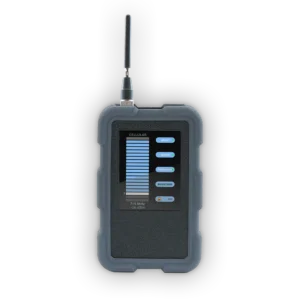
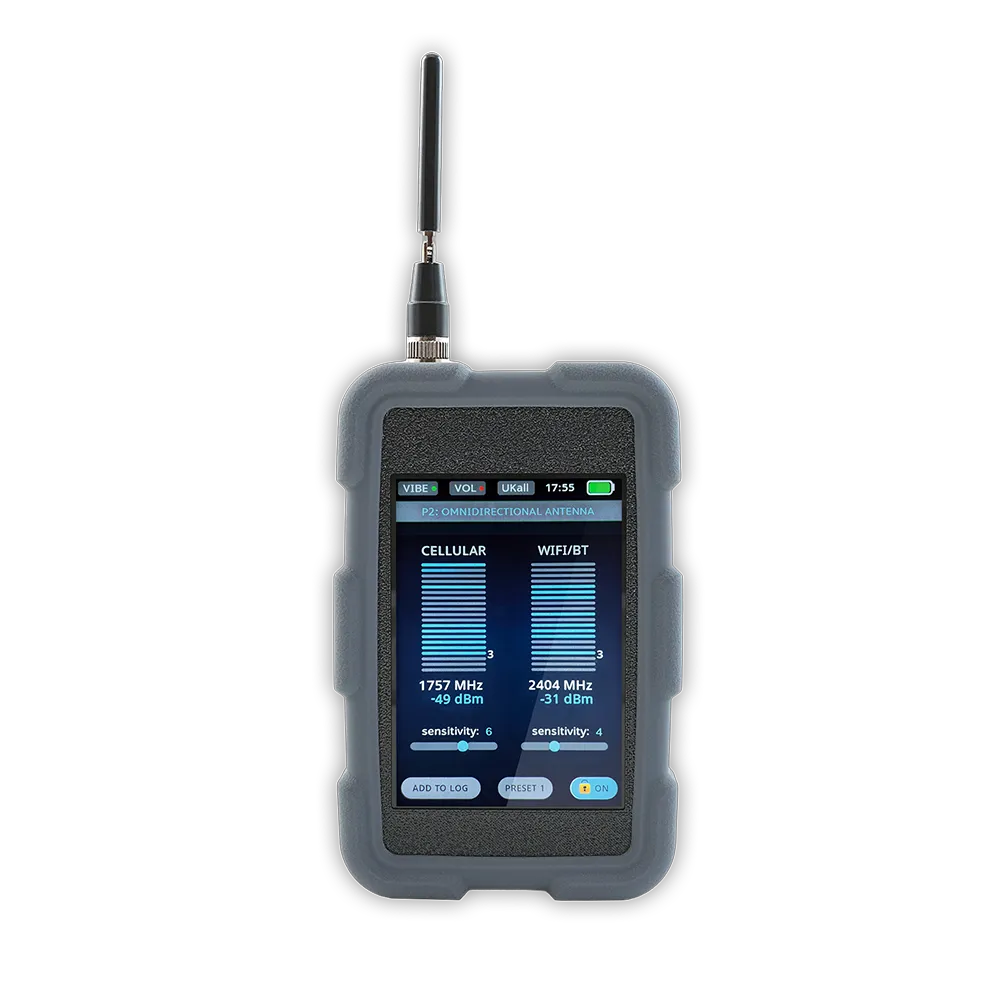
In a recent test in a specialist sixth form in the UK, our team demonstrated Comms-Tek device’s capabilities. The policy at the school is for phones to be placed in lockers at the beginning of the day and retrieved at the end. The head teacher was confident that the students were abiding by the rules.
In the first small classroom of 12 pupils, we discovered one phone within a couple of minutes. This led to another student volunteering their phone for fear of sanctions. In the second classroom a similar outcome and in the third classroom of 24 students, 8 phones were detected.